

State Of The Apes

  • Home
  • Volumes
    Toggle submenu
    • Volume I - Extractive Industries
    • Volume II - Industrial Agriculture
    • Volume III – Infrastructure Development
    • Volume IV - Killing, Capture and Trade
    • Volume V – Disease, Health and Ape Conservation
  • Resources
    Toggle submenu
    • Reports
    • Videos
  • Languages
    Toggle submenu
    • Français
    • Bahasa Indonesia
    • 中文
  • Partners
Toggle Menu

Flyout Menu

  • Home
  • Volumes
    Toggle submenu
    • Volume I - Extractive Industries
    • Volume II - Industrial Agriculture
    • Volume III – Infrastructure Development
    • Volume IV - Killing, Capture and Trade
    • Volume V – Disease, Health and Ape Conservation
  • Resources
    Toggle submenu
    • Reports
    • Videos
  • Languages
    Toggle submenu
    • Français
    • Bahasa Indonesia
    • 中文
  • Partners

Home » Volume-3-Mandarin

第1章:迈向更可持续的基础设施

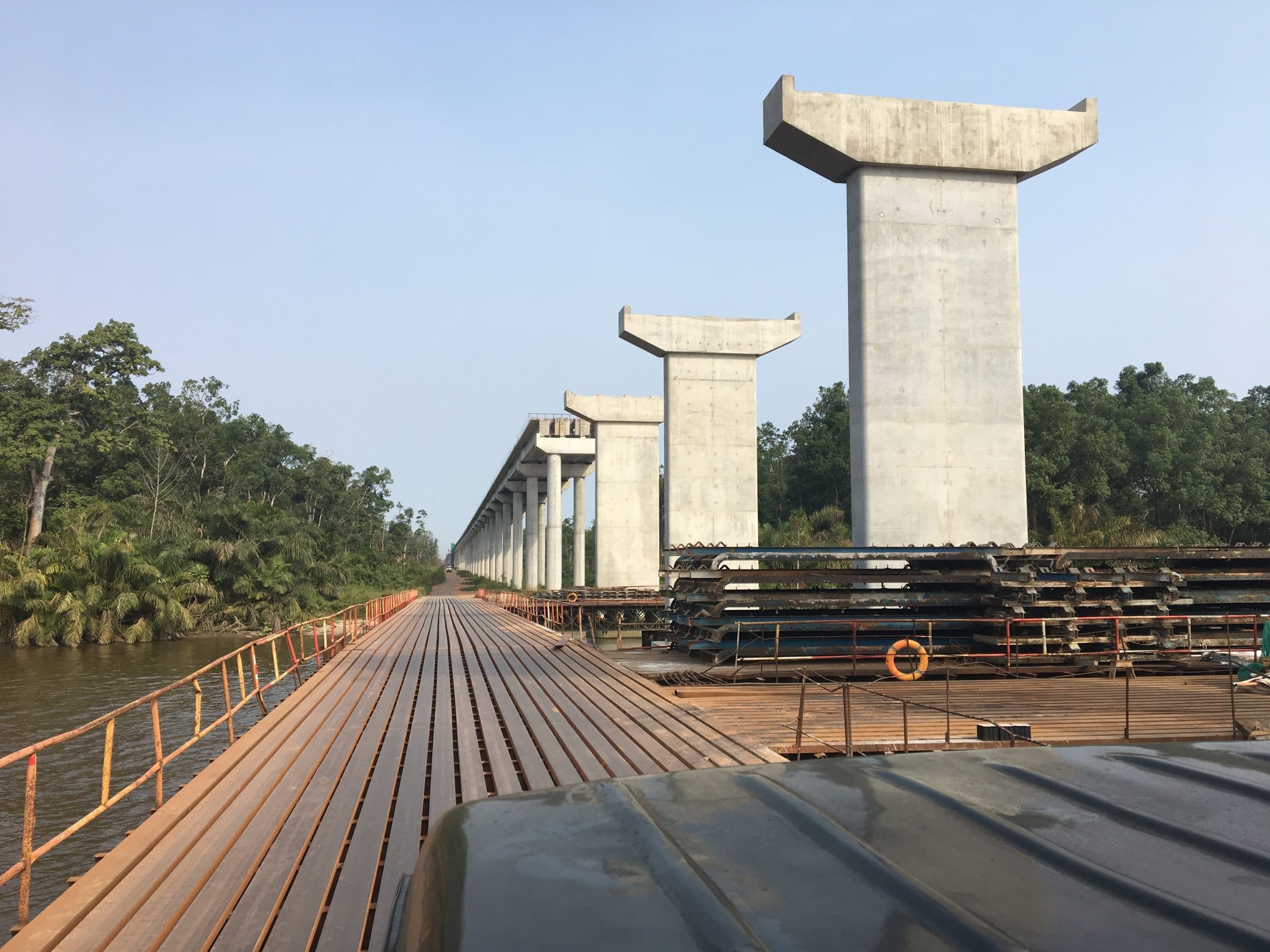
IMG_3327

Facebooktwitterby feather
Download PDF

我们正处在人类历史上基础设施最快速增长的年代,预计到2030年,全球对交通、能源、水资源和其他基础设施的投资将增加一倍。

类人猿分布的赤道非洲和东南亚国家面临严重压力,许多道路和其他基础设施项目打开现存的完好或原始栖息地。道路打开森林,使各种人类活动进入(比如偷猎、伐木、火灾、非法采矿、森林砍伐、栖息地碎片化),使类人猿种群和物种面临重大威胁。

限制基础设施项目负面的环境、社会和经济影响的努力远不能令人满意;比如,环境影响评估常常做得不充分及时。

在类人猿分布区国家,亟需加强土地使用规划,从而改善对保护区的管理,设计更可持续的基础设施。近期的趋势令人警醒,中国领导着在亚洲、非洲和欧洲的基础设施建设方案,侧重矿产、石油和木材等采掘业。另一个关切是许多公私部门投资者对基础设施投资的潜在负面影响不知情或信息错误。

总的来说,许多类人猿分布区国家经济和人口迅速增长,环境规划、执法和治理又薄弱,对类人猿及其栖息地构成严重和棘手的威胁。

  • Download

To purchase State of the Apes

To purchase State of the Apes

To purchase State of the Apes

To purchase State of the Apes

U.S. Office

Phone: +1-212-488-3000

U.K. Office

Phone: +44-1223-653040

Subscribe to Arcus Emails

More Information

contact@arcusfoundation.org

Great Apes & Gibbons Program

Privacy | Terms