

State Of The Apes

  • Home
  • Volumes
    Toggle submenu
    • Volume I - Extractive Industries
    • Volume II - Industrial Agriculture
    • Volume III – Infrastructure Development
    • Volume IV - Killing, Capture and Trade
    • Volume V – Disease, Health and Ape Conservation
  • Resources
    Toggle submenu
    • Reports
    • Videos
  • Languages
    Toggle submenu
    • Français
    • Bahasa Indonesia
    • 中文
  • Partners
Toggle Menu

Flyout Menu

  • Home
  • Volumes
    Toggle submenu
    • Volume I - Extractive Industries
    • Volume II - Industrial Agriculture
    • Volume III – Infrastructure Development
    • Volume IV - Killing, Capture and Trade
    • Volume V – Disease, Health and Ape Conservation
  • Resources
    Toggle submenu
    • Reports
    • Videos
  • Languages
    Toggle submenu
    • Français
    • Bahasa Indonesia
    • 中文
  • Partners

Home » Volume 3

Policy Briefing

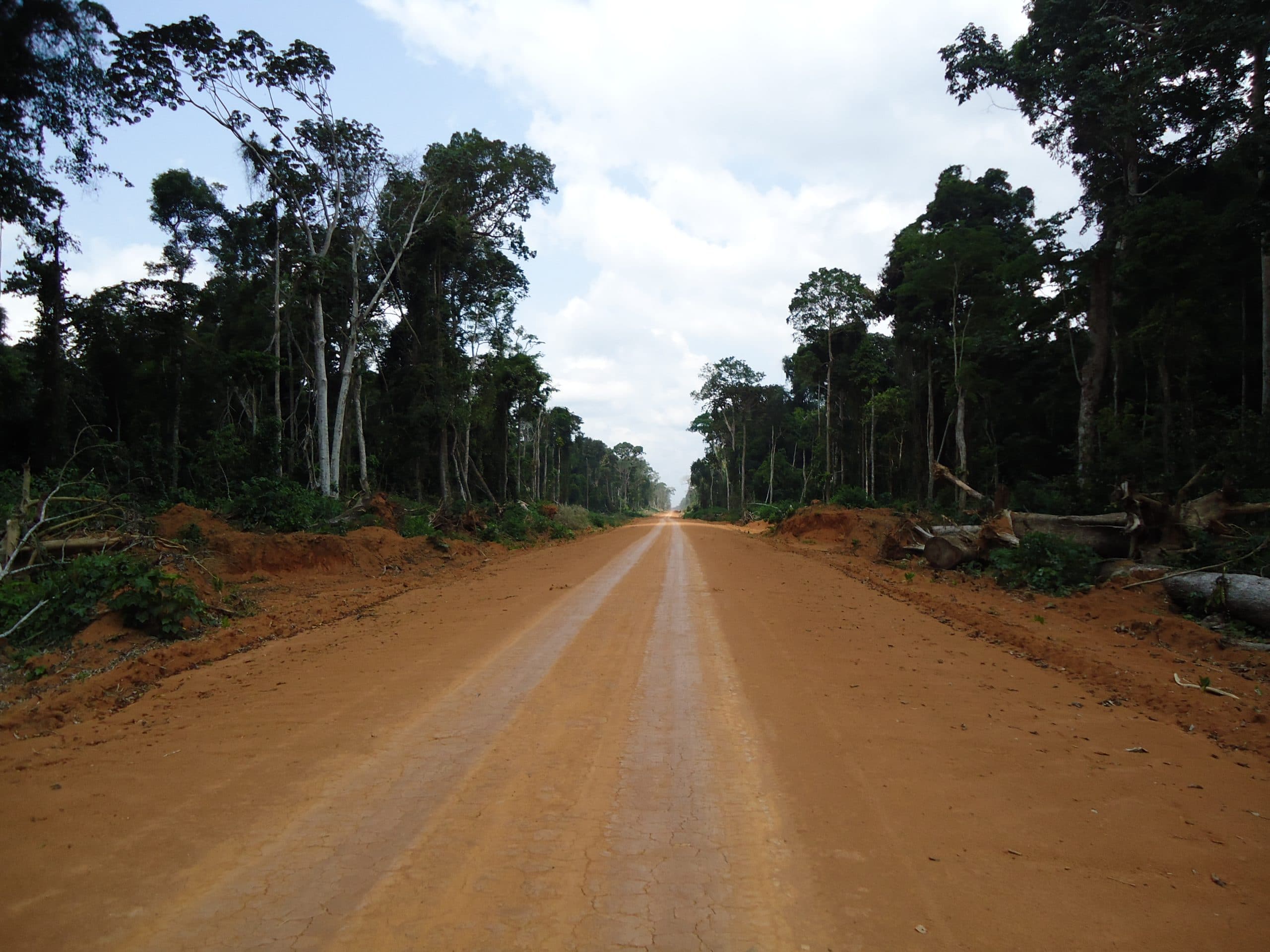
GTAP_Logging_Road_NCongo
Facebooktwitterby feather

Download Full Briefing

Ape species across Africa and Asia are coming under increasing threat from infrastructure development driven by global economic trends. Unless infrastructure projects take ape conservation into account from the outset, ape populations will experience severe deleterious impacts as a result of deforestation, hunting and other human activities.

Apes are important indicator species for the health of forest ecosystems and are of particular concern due to their sentience, complex social relationships and close genetic relatedness to humans. The conservation status of all great ape and most gibbon species is endangered or critically endangered—and all are highly vulnerable to disturbances and threats from humans.

Despite these challenges, it is possible to achieve socioeconomic development goals while ensuring sustainability and facilitating ape conservation. To do so, it is critical that civil society groups, communities, governments, industry, lenders and NGOs work together in close collaboration. Their efforts must focus on building infrastructure in a manner that avoids harm to forests, wildlife and people. Immediate improvements can be made by preserving large and connected natural forest areas to sustain people and wildlife, conducting strategic infrastructure planning at the national and landscape levels, ensuring strong and realistic environmental and social-impact assessments, and applying the mitigation hierarchy to all projects.

  • Download

To purchase State of the Apes

Purchase from Cambridge University Press

To purchase State of the Apes

Purchase from Amazon

To purchase State of the Apes

Purchase from Barnes and Noble

To purchase State of the Apes

Purchase from Amazon Purchase from Cambridge University Press Purchase from Barnes and Noble
Arcus Foundation
U.S. Office

Phone: +1-212-488-3000

U.K. Office

Phone: +44-1223-653040

Subscribe to Arcus Emails

More Information

contact@arcusfoundation.org

Arcus Foundation

Great Apes & Gibbons Program
  • Visit us on Facebook
  • Visit us on Instagram
  • Visit us on LinkedIn

Privacy | Terms