
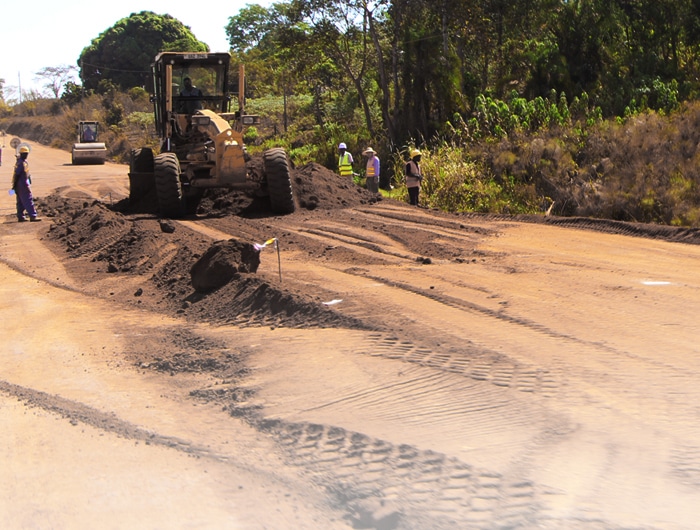
Development often aims to provide greater opportunity and wellbeing to humanity by increasing access and availability to staples and services such as food, water, energy, transportation, and economic opportunities. However, in the drive to meet legitimate consumption demands, long-term impacts to human populations and ecological systems are often overlooked or inadequately considered. This results in devastating consequences for wildlife populations, local communities, and climate health.
But there are ways to build and invest in infrastructure that address ever-expanding population needs while protecting and preserving critical ecological habitat and indigenous communities.
State of the Apes: Infrastructure Development and Ape Conservation, a new report from the Arcus Foundation and Cambridge University Press, explores these challenges through the lens of the world’s apes and the habitats they share with other endangered species and impoverished humans.
This webinar addressed solutions and best practices that can be implemented in early, middle, and late stage development plans of new infrastructure such as:
* Strategies to avoid displacement and harm to indigenous populations;
* Ways to go beyond the “do no harm” principle and realize the co-benefits of safeguarding forest habitats and crucial ecological systems;
* New digital technologies that have demonstrated potential to support sustainability goals;
* Opportunities for investors and lenders to control the financial and reputational risks associated with projects that do not meet accountability standards for environmental and social impact; and
* Strategic land-use planning to prevent deforestation and limit the number of infrastructure projects near critical habitat.
Experts from World Wildlife Fund and Observatory for Sustainable Infrastructure joined an editor of State of the Apes for a provocative and thoughtful conversation exploring these challenges and opportunities.
A replay of the video is now available. Please fill out the fields below to access it.
[gravityform id=”2″ name=”State of the Apes Webinar” title=”false” description=”false”]