

State Of The Apes

  • Home
  • Volumes
    Toggle submenu
    • Volume I - Extractive Industries
    • Volume II - Industrial Agriculture
    • Volume III – Infrastructure Development
    • Volume IV - Killing, Capture and Trade
    • Volume V – Disease, Health and Ape Conservation
  • Resources
    Toggle submenu
    • Reports
    • Videos
  • Languages
    Toggle submenu
    • Français
    • Bahasa Indonesia
    • 中文
  • Partners
Toggle Menu

Flyout Menu

  • Home
  • Volumes
    Toggle submenu
    • Volume I - Extractive Industries
    • Volume II - Industrial Agriculture
    • Volume III – Infrastructure Development
    • Volume IV - Killing, Capture and Trade
    • Volume V – Disease, Health and Ape Conservation
  • Resources
    Toggle submenu
    • Reports
    • Videos
  • Languages
    Toggle submenu
    • Français
    • Bahasa Indonesia
    • 中文
  • Partners

Home » Volume 5

Ch. 6: Disaster Management and the Protection of Apes

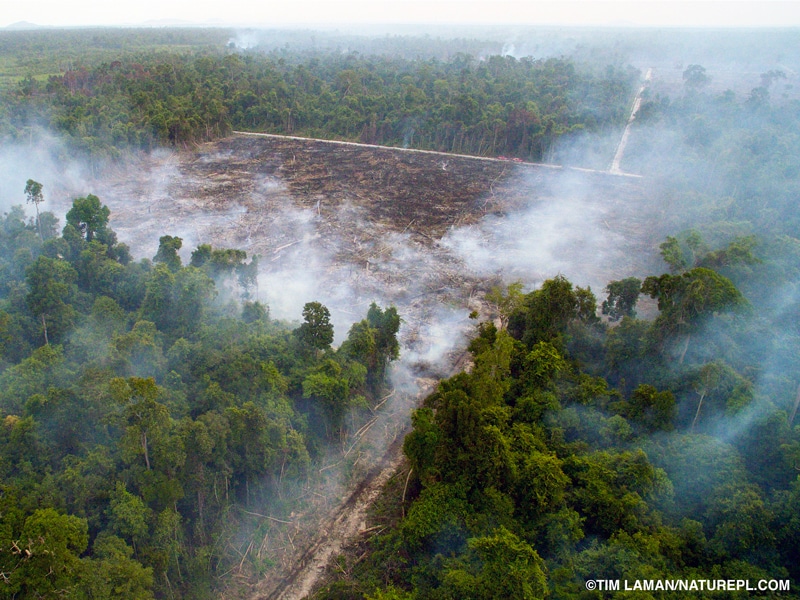
A forest with a patch of trees missing and smoke in the air.

Facebooktwitterby feather
Download Full Chapter

The natural habitats of apes have long been exposed to natural hazards, including volcanic eruptions, drought, heat waves, hurricanes, and cyclones. Humanity’s transition to large-scale farming and industrialization, however, has led to an exponential increase in human population and activities that have steadily eroded ape habitat, increasing their vulnerability to natural disasters. Climate change-induced extreme weather events and increased exposure of apes to zoonotic diseases from humans present additional threats.

This chapter provides an overview of the principles of disaster management, using case studies to show how they can be adopted to mitigate the impact of disasters in different ape environments, and considering a wide range of risk factors to inform the development of mitigation measures to enhance the survival of apes in a disaster context. It outlines an approach to risk mitigation that takes into account the full scope of political, environmental, economic, social, technical, operational, legal, and media/communications considerations within ape range states.

Key findings include:

  • Although disasters can strike at any moment, their effects can generally be mitigated through the structured and systematic development of risk mitigation measures in advance of any potential hazard impact.
  • Targeted research has a part to play in identifying and developing emergency response measures, including by exploring how those measures are likely to benefit at-risk apes.
  • The use of risk mapping for ape populations to identify the most at-risk areas can inform priorities for developing prevention, preparedness, and response.
  • Download

To purchase State of the Apes

Purchase from Cambridge University Press

To purchase State of the Apes

Purchase from Amazon

To purchase State of the Apes

Purchase from Barnes and Noble

To purchase State of the Apes

Purchase from Amazon Purchase from Cambridge University Press Purchase from Barnes and Noble
Arcus Foundation
U.S. Office

Phone: +1-212-488-3000

U.K. Office

Phone: +44-1223-653040

Subscribe to Arcus Emails

More Information

contact@arcusfoundation.org

Arcus Foundation

Great Apes & Gibbons Program
  • Visit us on Facebook
  • Visit us on Instagram
  • Visit us on LinkedIn

Privacy | Terms