

State Of The Apes

  • Home
  • Volumes
    Toggle submenu
    • Volume I - Extractive Industries
    • Volume II - Industrial Agriculture
    • Volume III – Infrastructure Development
    • Volume IV - Killing, Capture and Trade
    • Volume V – Disease, Health and Ape Conservation
  • Resources
    Toggle submenu
    • Reports
    • Videos
  • Languages
    Toggle submenu
    • Français
    • Bahasa Indonesia
    • 中文
  • Partners
Toggle Menu

Flyout Menu

  • Home
  • Volumes
    Toggle submenu
    • Volume I - Extractive Industries
    • Volume II - Industrial Agriculture
    • Volume III – Infrastructure Development
    • Volume IV - Killing, Capture and Trade
    • Volume V – Disease, Health and Ape Conservation
  • Resources
    Toggle submenu
    • Reports
    • Videos
  • Languages
    Toggle submenu
    • Français
    • Bahasa Indonesia
    • 中文
  • Partners

Home » Volume 3

Ch 3: Deforestation Along Roads: Monitoring Threats to Ape Habitat

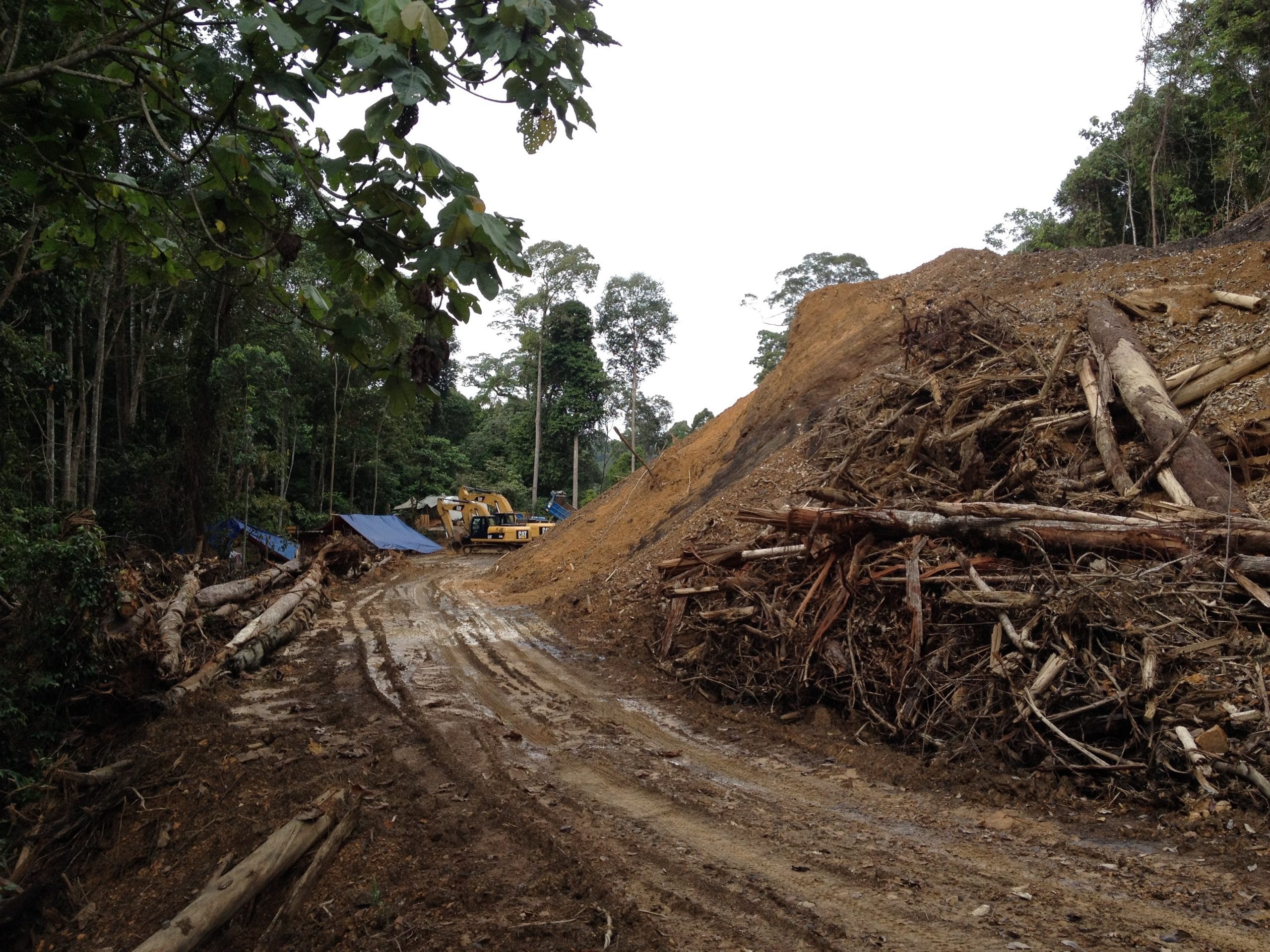
Road construction Sabah TNC © Joerg Hartmann

Facebooktwitterby feather
Download Full Chapter

Three of the case studies demonstrate past and expected future change in ape forest habitat around roads that were substantially upgraded between 2001 and 2014. Another case study unrelated to apes explores a site in the primate-rich tropical forests of Peru. The first three sites—two in northern Sumatra, Indonesia, and one in western Tanzania—are home to a total of four ape subspecies.

The research shows that planning to avoid critical areas, regular monitoring of forest status, and additional conservation actions are needed to reduce the negative effects of roads on wildlife habitat. Simple but powerful approaches to detecting and measuring forest loss can help resource managers monitor the construction and land-use change associated with legal roads and halt the building of illegal road clearings in contiguous forest tracts.

Additionally, even when roads cannot be rerouted, their design can address issues of access to natural areas. Even if a road does not hinder the movement of apes, the associated conversion of formerly inaccessible forest to other land uses can decimate resident ape populations, as has been the case for western Tanzania’s chimpanzee populations.

  • Download

To purchase State of the Apes

Purchase from Cambridge University Press

To purchase State of the Apes

Purchase from Amazon

To purchase State of the Apes

Purchase from Barnes and Noble

To purchase State of the Apes

Purchase from Amazon Purchase from Cambridge University Press Purchase from Barnes and Noble
Arcus Foundation
U.S. Office

Phone: +1-212-488-3000

U.K. Office

Phone: +44-1223-653040

Subscribe to Arcus Emails

More Information

contact@arcusfoundation.org

Arcus Foundation

Great Apes & Gibbons Program
  • Visit us on Facebook
  • Visit us on Instagram
  • Visit us on LinkedIn

Privacy | Terms