

State Of The Apes

  • Home
  • Volumes
    Toggle submenu
    • Volume I - Extractive Industries
    • Volume II - Industrial Agriculture
    • Volume III – Infrastructure Development
    • Volume IV - Killing, Capture and Trade
    • Volume V – Disease, Health and Ape Conservation
  • Resources
    Toggle submenu
    • Reports
    • Videos
  • Languages
    Toggle submenu
    • Français
    • Bahasa Indonesia
    • 中文
  • Partners
Toggle Menu

Flyout Menu

  • Home
  • Volumes
    Toggle submenu
    • Volume I - Extractive Industries
    • Volume II - Industrial Agriculture
    • Volume III – Infrastructure Development
    • Volume IV - Killing, Capture and Trade
    • Volume V – Disease, Health and Ape Conservation
  • Resources
    Toggle submenu
    • Reports
    • Videos
  • Languages
    Toggle submenu
    • Français
    • Bahasa Indonesia
    • 中文
  • Partners

Home » Volume 3

Ch 1: Towards More Sustainable Infrastructure

IMG_3327

Facebooktwitterby feather
Download Full Chapter

We are living in the most dramatic era of infrastructure expansion in human history, with global investments in transportation, energy, water and other infrastructure expected to double by 2030.

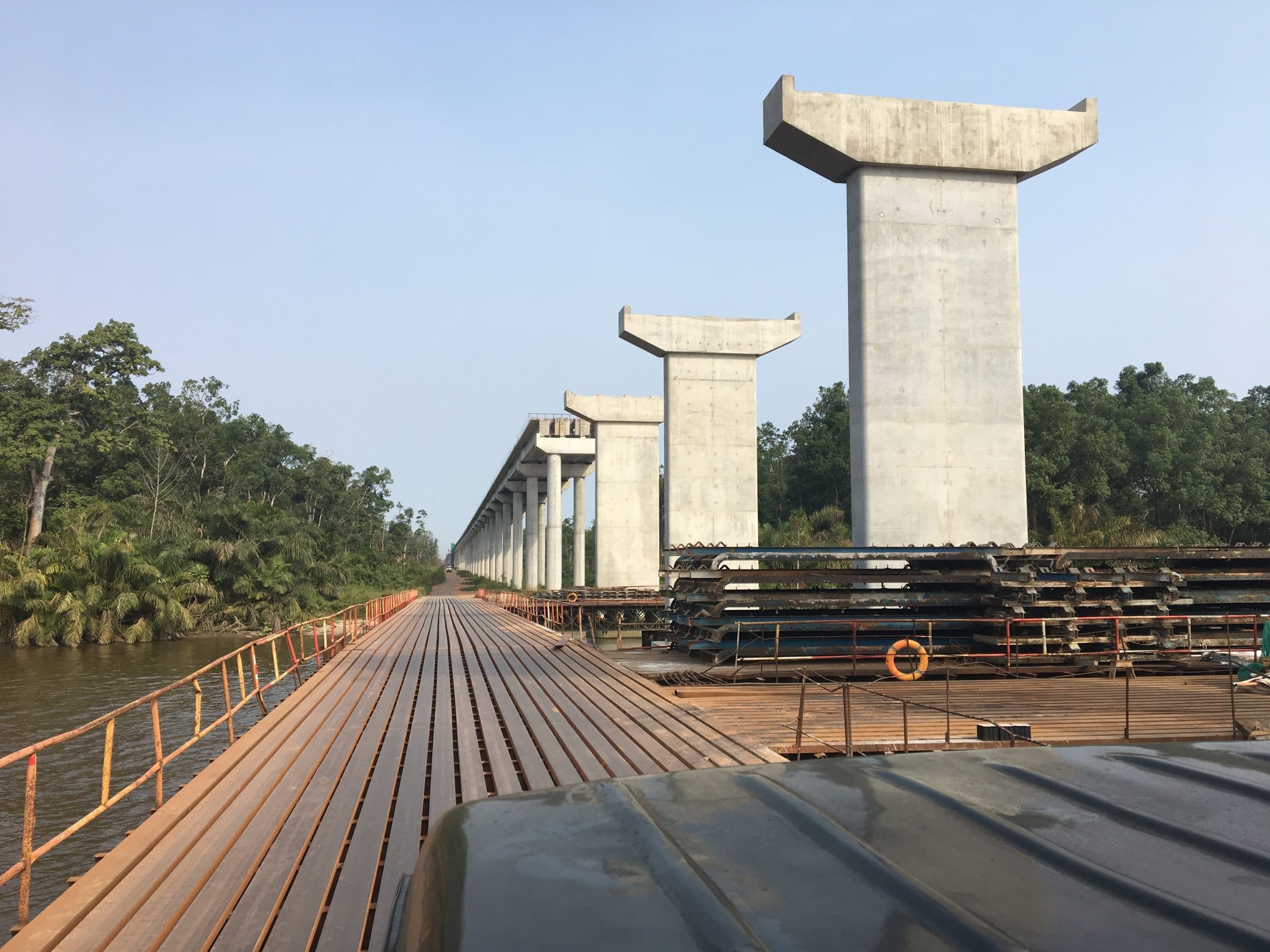
Ape-range states in equatorial Africa and Southeast Asia are under acute pressure, with many new roads and other infrastructure projects penetrating remaining intact or pristine habitats. Roads open forests to a range of human activities—such as poaching, logging, fires, illegal mining, deforestation and habitat fragmentation—that pose major threats to ape populations and species. Efforts to limit the negative environmental, social and economic impacts of infrastructure projects are far from satisfactory; for example, environmental impact assessments are often inadequate.

There is a great need to strengthen land-use planning in ape-range states, to improve the management of protected areas and to design more sustainable infrastructure. Near-term trends are alarming, with China leading infrastructure schemes in Asia, Africa and Europe, with a focus on extractive industries like mineral, oil and timber exploitation. Another concern is that many private and public investors are ill-informed about the potentially large negative impacts of their infrastructure investments.

Overall, rapid economic and population growth in many ape-range states, alongside weaknesses in environmental planning, enforcement and governance, are posing profound, vexing threats to apes and their habitats.

  • Download

To purchase State of the Apes

Purchase from Cambridge University Press

To purchase State of the Apes

Purchase from Amazon

To purchase State of the Apes

Purchase from Barnes and Noble

To purchase State of the Apes

Purchase from Amazon Purchase from Cambridge University Press Purchase from Barnes and Noble
Arcus Foundation
U.S. Office

Phone: +1-212-488-3000

U.K. Office

Phone: +44-1223-653040

Subscribe to Arcus Emails

More Information

contact@arcusfoundation.org

Arcus Foundation

Great Apes & Gibbons Program
  • Visit us on Facebook
  • Visit us on Instagram
  • Visit us on LinkedIn

Privacy | Terms