

State Of The Apes

  • Home
  • Volumes
    Toggle submenu
    • Volume I - Extractive Industries
    • Volume II - Industrial Agriculture
    • Volume III – Infrastructure Development
    • Volume IV - Killing, Capture and Trade
    • Volume V – Disease, Health and Ape Conservation
  • Resources
    Toggle submenu
    • Reports
    • Videos
  • Languages
    Toggle submenu
    • Français
    • Bahasa Indonesia
    • 中文
  • Partners
Toggle Menu

Flyout Menu

  • Home
  • Volumes
    Toggle submenu
    • Volume I - Extractive Industries
    • Volume II - Industrial Agriculture
    • Volume III – Infrastructure Development
    • Volume IV - Killing, Capture and Trade
    • Volume V – Disease, Health and Ape Conservation
  • Resources
    Toggle submenu
    • Reports
    • Videos
  • Languages
    Toggle submenu
    • Français
    • Bahasa Indonesia
    • 中文
  • Partners

Home » Volume 2

Ch 8: The Status of Captive Apes

volume_2-chapter_8
Facebooktwitterby feather
Download Full Chapter

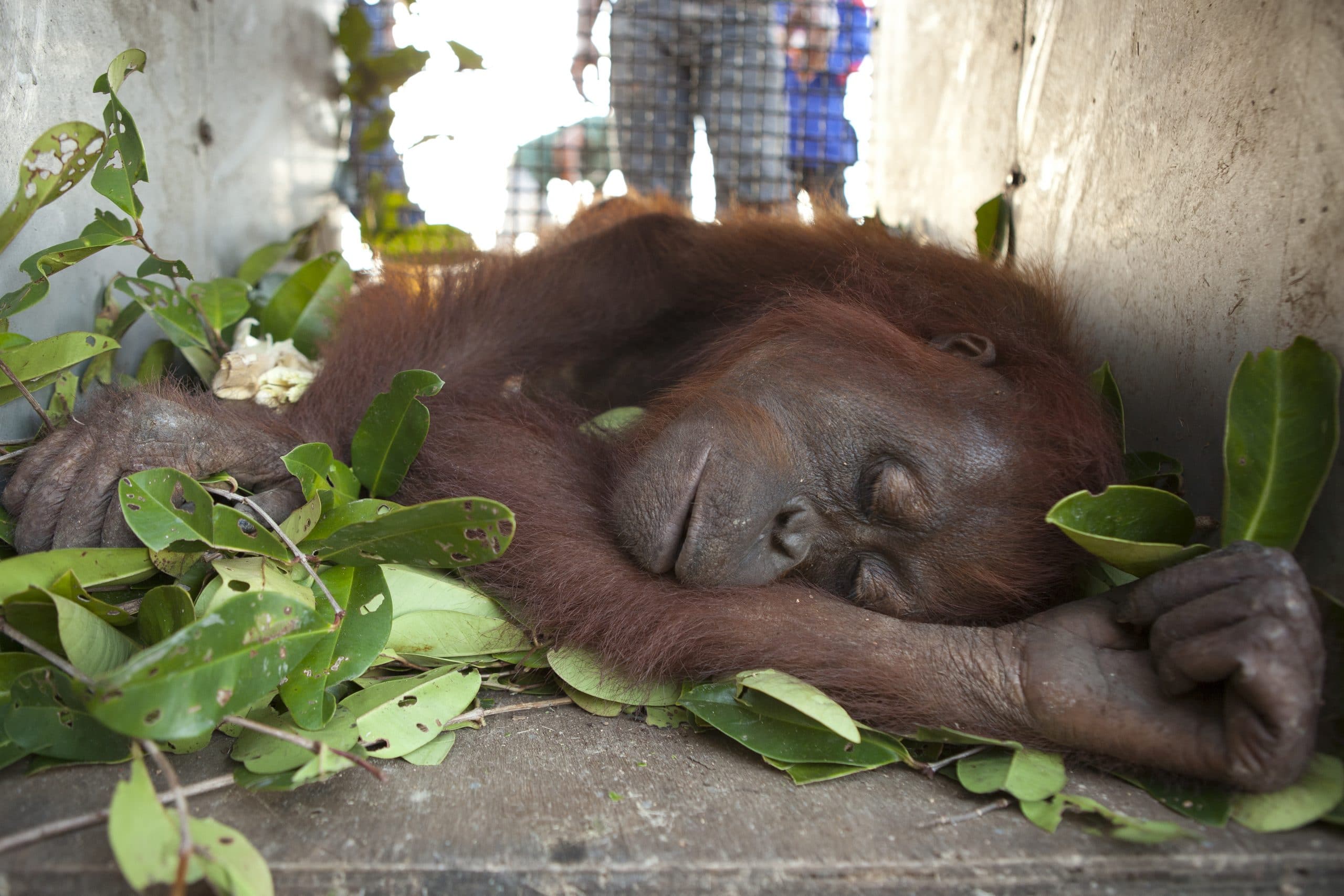
The sharp decline in wild ape populations in Africa and Asia—which is largely the result of habitat loss, hunting, and the illicit trade in wildlife—has been accompanied by an increase in the number of apes admitted to rescue centers and sanctuaries in range states. These individuals are often rescued from traffickers, from villages where they are kept for entertainment purposes or as pets, or directly from surviving forest fragments in otherwise developed landscapes.

Rescue centers and sanctuaries in range states are increasingly encountering difficulties with respect to rehabilitating and releasing apes, not least due to the diminishing availability of appropriate release sites. This situation is expected to worsen as agricultural activities continue to encroach on ape habitats.

In non-range states, captive apes tend to be kept in research laboratories, by the entertainment industry, as pets, and in zoos. Sanctuaries in these states focus on providing safe and appropriate conditions for released and rescued apes.

Variations in legal protections within and between countries can leave apes vulnerable to welfare risks and can act as barriers to enforcement as well as to the development of new legal protections. Appropriate ethical and legal frameworks are key to ensuring the protection of apes in captivity. As demonstrated by organizations that promote the welfare of captive apes, scientific research, education, and outreach can serve to advance our understanding of apes and thus accelerate social change, which, in turn, can help to bring about stronger laws and greater public support for ape conservation and welfare programs.

  • Download

To purchase State of the Apes

Purchase from Cambridge University Press

To purchase State of the Apes

Purchase from Amazon

To purchase State of the Apes

Purchase from Barnes and Noble

To purchase State of the Apes

Purchase from Amazon Purchase from Cambridge University Press Purchase from Barnes and Noble
Arcus Foundation
U.S. Office

Phone: +1-212-488-3000

U.K. Office

Phone: +44-1223-653040

Subscribe to Arcus Emails

More Information

contact@arcusfoundation.org

Arcus Foundation

Great Apes & Gibbons Program
  • Visit us on Facebook
  • Visit us on Instagram
  • Visit us on LinkedIn

Privacy | Terms