

State Of The Apes

  • Home
  • Volumes
    Toggle submenu
    • Volume I - Extractive Industries
    • Volume II - Industrial Agriculture
    • Volume III – Infrastructure Development
    • Volume IV - Killing, Capture and Trade
    • Volume V – Disease, Health and Ape Conservation
  • Resources
    Toggle submenu
    • Reports
    • Videos
  • Languages
    Toggle submenu
    • Français
    • Bahasa Indonesia
    • 中文
  • Partners
Toggle Menu

Flyout Menu

  • Home
  • Volumes
    Toggle submenu
    • Volume I - Extractive Industries
    • Volume II - Industrial Agriculture
    • Volume III – Infrastructure Development
    • Volume IV - Killing, Capture and Trade
    • Volume V – Disease, Health and Ape Conservation
  • Resources
    Toggle submenu
    • Reports
    • Videos
  • Languages
    Toggle submenu
    • Français
    • Bahasa Indonesia
    • 中文
  • Partners

Home » Volume 2

Ch 5: From Process to Impact of a Voluntary Standard: The Roundtable on Sustainable Palm Oil

volume_2-chapter_5
Facebooktwitterby feather
Download Full Chapter

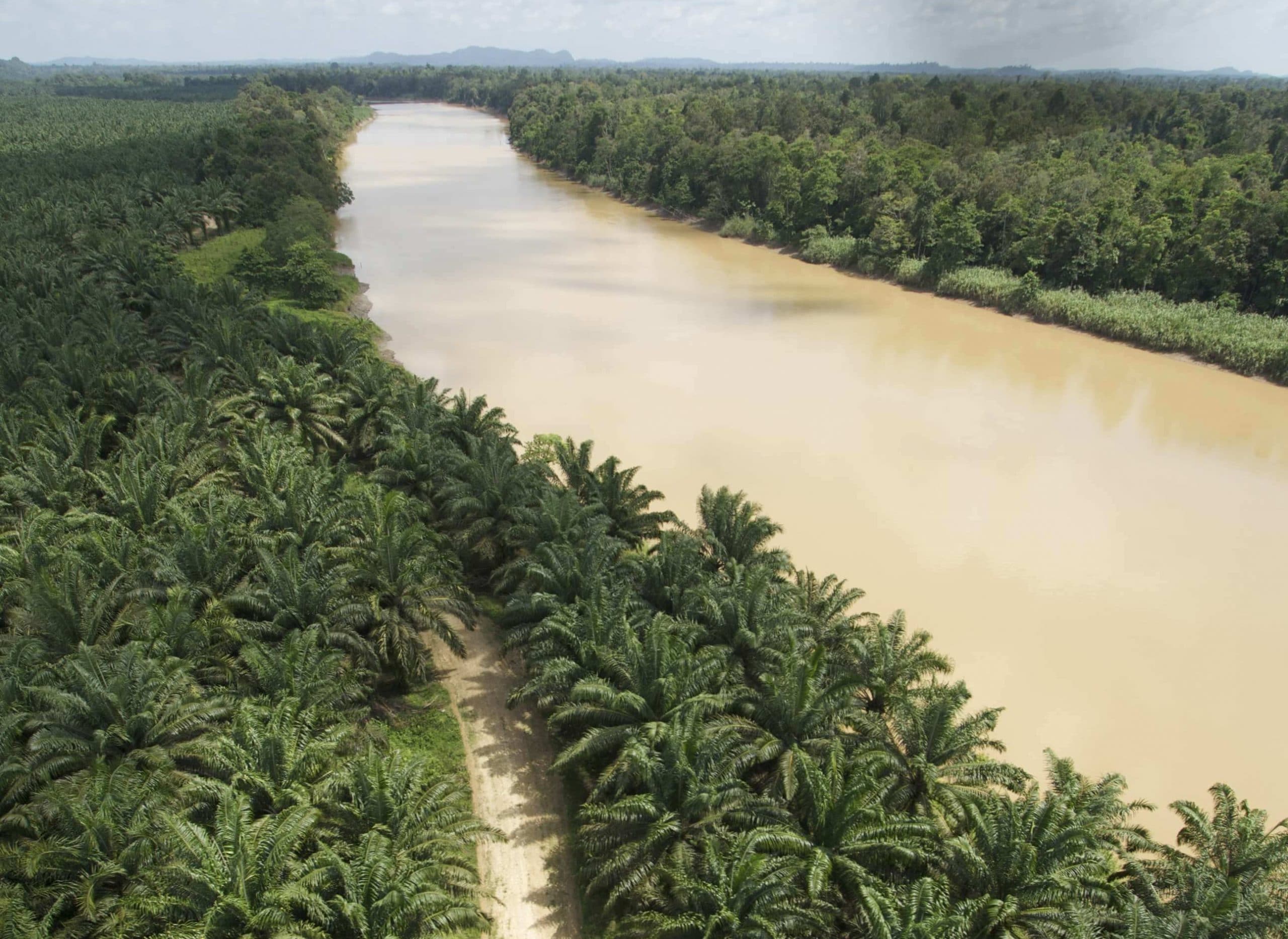
Although laws and regulations are sometimes in place to protect local communities and the environment, they are not always implemented or enforced, and therefore some agribusinesses still engage in deforestation, endangering wildlife and threatening livelihoods in the process. In response, consumers and NGOs have put pressure on retailers, processors, manufacturers, and producers to minimize adverse social and environmental impacts. This engagement has led to the emergence of voluntary standards and certification processes that are aimed at integrating sustainability into commodity production.

From a conservation perspective, the most important voluntary standard for great apes and gibbons—and perhaps for tropical biodiversity in general—is the Roundtable on Sustainable Palm Oil (RSPO). The RSPO focuses on promoting the sustainable production of palm oil in the tropics. It has evolved from an organization that focused on achieving sustainability through consensus to one that increasingly aims to maximize its impact, principally by increasing demand for certified sustainable palm oil and by strengthening traceability and transparency throughout the supply chain. With complementary initiatives such as those resulting in recent commitments to no-deforestation policies by companies that supply more than 90% of the palm oil industry, the RSPO is a significant player in securing industry transformation toward sustainability.

In Southeast Asia, however, ape habitats tend to be seen as part of existing agricultural landscapes—not as areas into which plantations are encroaching. As oil palm expands into Africa, concerted action is needed to ensure that this perception is not perpetuated.

The demand for palm oil grown in Africa is predicted to rise significantly at the local and regional levels across the continent, indicating that if critical ape habitats are to be protected, the RSPO will soon need to broaden its efforts to increase demand for certified sustainable palm oil by covering areas beyond the Western markets.

  • Download

To purchase State of the Apes

Purchase from Cambridge University Press

To purchase State of the Apes

Purchase from Amazon

To purchase State of the Apes

Purchase from Barnes and Noble

To purchase State of the Apes

Purchase from Amazon Purchase from Cambridge University Press Purchase from Barnes and Noble
Arcus Foundation
U.S. Office

Phone: +1-212-488-3000

U.K. Office

Phone: +44-1223-653040

Subscribe to Arcus Emails

More Information

contact@arcusfoundation.org

Arcus Foundation

Great Apes & Gibbons Program
  • Visit us on Facebook
  • Visit us on Instagram
  • Visit us on LinkedIn

Privacy | Terms