

State Of The Apes

  • Home
  • Volumes
    Toggle submenu
    • Volume I - Extractive Industries
    • Volume II - Industrial Agriculture
    • Volume III – Infrastructure Development
    • Volume IV - Killing, Capture and Trade
    • Volume V – Disease, Health and Ape Conservation
  • Resources
    Toggle submenu
    • Reports
    • Videos
  • Languages
    Toggle submenu
    • Français
    • Bahasa Indonesia
    • 中文
  • Partners
Toggle Menu

Flyout Menu

  • Home
  • Volumes
    Toggle submenu
    • Volume I - Extractive Industries
    • Volume II - Industrial Agriculture
    • Volume III – Infrastructure Development
    • Volume IV - Killing, Capture and Trade
    • Volume V – Disease, Health and Ape Conservation
  • Resources
    Toggle submenu
    • Reports
    • Videos
  • Languages
    Toggle submenu
    • Français
    • Bahasa Indonesia
    • 中文
  • Partners

Home » Volume 2

Ch 3: From Habitat to Plantation: Causes of Conversion in sub-Saharan Africa

volume_2-chapter_3
Facebooktwitterby feather
Download Full Chapter

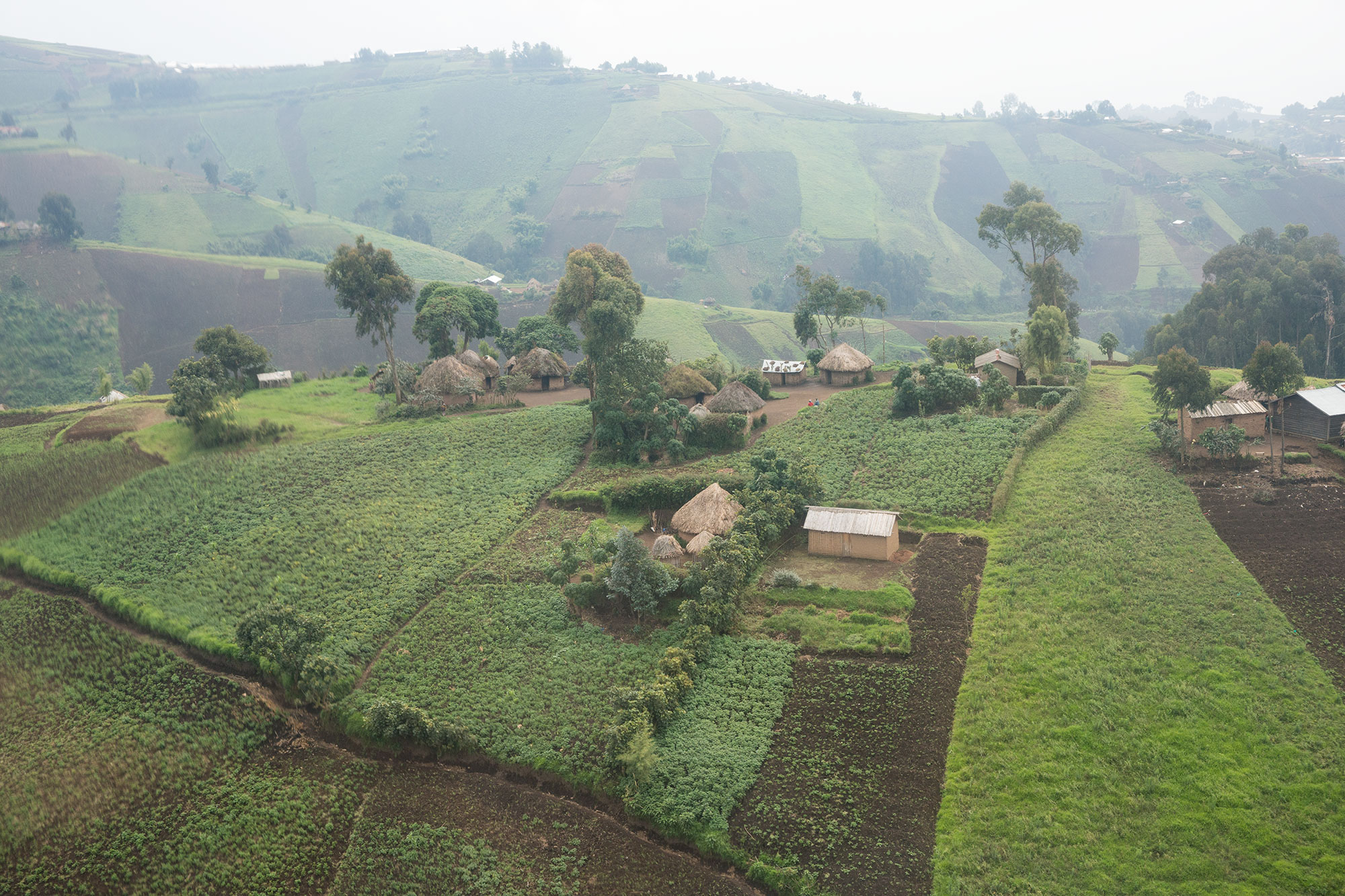
Agriculture is Africa’s engine for growth. It accounts for nearly one-quarter of the continent’s GDP and employs almost two-thirds of its labor force, which is dominated by smallholders who farm for subsistence or grow cash crops. But changes are under way. The past 15 years have witnessed deals that have led to the allocation of thousands of square kilometers of land for industrial-scale cultivation of food, biofuels, and animal feed. Since much of the land suitable for industrial agriculture is in the forests of the Congo Basin and West Africa—which are also home to chimpanzees, bonobos, eastern and western gorillas, four of the world’s six great ape species—these changes threaten the future of species whose survival already hangs in the balance.

With international demand for oil crops such as castor, oil palm, sesame, and sunflower forecast to increase, the relative ease of access to land, lower setup costs, and government incentives are likely to fuel agricultural expansion in Africa, even in the face of challenges such as price fluctuations. Oil palm accounts for the largest portion of active investments on the continent. In Southeast Asia, oil-palm cultivation has led to the clearing of vast tracts of forested land, resulting in a dramatic decline in ape populations and, more broadly, in biodiversity. Another path must be taken in Africa if the continent is to conserve some of the world’s remaining, largely intact forest areas—which comprise nearly three-quarters of Africa’s forest cover and a significant portion of its biodiversity.

  • Download

To purchase State of the Apes

Purchase from Cambridge University Press

To purchase State of the Apes

Purchase from Amazon

To purchase State of the Apes

Purchase from Barnes and Noble

To purchase State of the Apes

Purchase from Amazon Purchase from Cambridge University Press Purchase from Barnes and Noble
Arcus Foundation
U.S. Office

Phone: +1-212-488-3000

U.K. Office

Phone: +44-1223-653040

Subscribe to Arcus Emails

More Information

contact@arcusfoundation.org

Arcus Foundation

Great Apes & Gibbons Program
  • Visit us on Facebook
  • Visit us on Instagram
  • Visit us on LinkedIn

Privacy | Terms