

State Of The Apes

  • Home
  • Volumes
    Toggle submenu
    • Volume I - Extractive Industries
    • Volume II - Industrial Agriculture
    • Volume III – Infrastructure Development
    • Volume IV - Killing, Capture and Trade
    • Volume V – Disease, Health and Ape Conservation
  • Resources
    Toggle submenu
    • Reports
    • Videos
  • Languages
    Toggle submenu
    • Français
    • Bahasa Indonesia
    • 中文
  • Partners
Toggle Menu

Flyout Menu

  • Home
  • Volumes
    Toggle submenu
    • Volume I - Extractive Industries
    • Volume II - Industrial Agriculture
    • Volume III – Infrastructure Development
    • Volume IV - Killing, Capture and Trade
    • Volume V – Disease, Health and Ape Conservation
  • Resources
    Toggle submenu
    • Reports
    • Videos
  • Languages
    Toggle submenu
    • Français
    • Bahasa Indonesia
    • 中文
  • Partners

Home » Volume 5

Policy Briefing

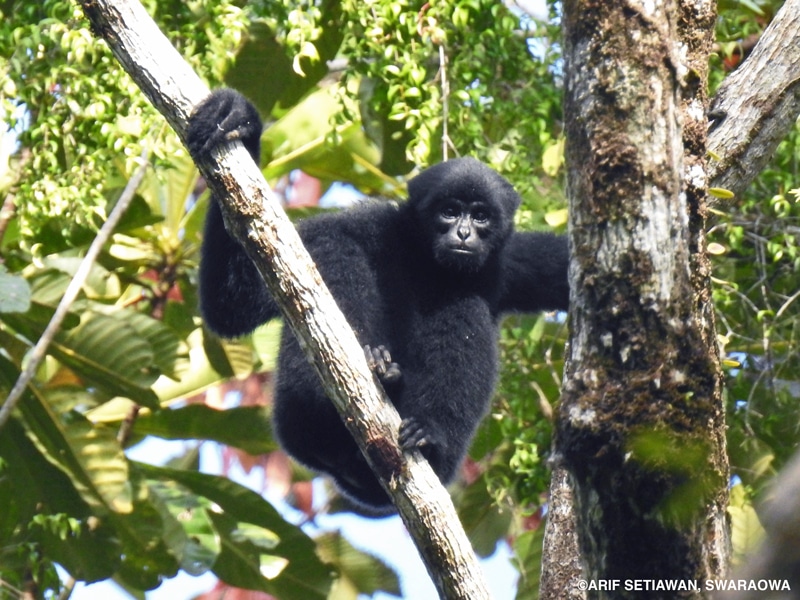
A black-furred gibbon sits in a tree.
Facebooktwitterby feather

Download Full Briefing

As all apes are endangered species, it is critically important to safeguard their health and welfare in captive, semi-captive, and wild settings as a matter of urgency. Management of ape health is an important policy priority not only because apes are endangered species and have intrinsic, ecological, and economic value, but because apes and humans are susceptible to similar diseases, which allows for spillovers in both directions.  

Reducing infectious disease and noninfectious health risks for captive, semi-captive, and wild apes requires addressing risks originating from captive ape care; habitat destruction and encroachment; hunting; illegal trade and illegal captivity; industrial development; natural disasters; tourism and research activities; and reintroductions, transfers, and translocations. Decision and policymakers have a crucial role in catalyzing action as they have the ability to foster an enabling environment for essential action from other stakeholders. The Policy Briefing presents a policy-relevant discussion of the impacts on apes and their habitat, and provides best practice recommendations for the prevention and management of health risks to apes. Further, as significant gaps in knowledge remain, studies should be undertaken to increase understanding of all ape species and their settings with the support of policymakers.

  • Download

To purchase State of the Apes

Purchase from Cambridge University Press

To purchase State of the Apes

Purchase from Amazon

To purchase State of the Apes

Purchase from Barnes and Noble

To purchase State of the Apes

Purchase from Amazon Purchase from Cambridge University Press Purchase from Barnes and Noble
Arcus Foundation
U.S. Office

Phone: +1-212-488-3000

U.K. Office

Phone: +44-1223-653040

Subscribe to Arcus Emails

More Information

contact@arcusfoundation.org

Arcus Foundation

Great Apes & Gibbons Program
  • Visit us on Facebook
  • Visit us on Instagram
  • Visit us on LinkedIn

Privacy | Terms