

State Of The Apes

  • Home
  • Volumes
    Toggle submenu
    • Volume I - Extractive Industries
    • Volume II - Industrial Agriculture
    • Volume III – Infrastructure Development
    • Volume IV - Killing, Capture and Trade
    • Volume V – Disease, Health and Ape Conservation
  • Resources
    Toggle submenu
    • Reports
    • Videos
  • Languages
    Toggle submenu
    • Français
    • Bahasa Indonesia
    • 中文
  • Partners
Toggle Menu

Flyout Menu

  • Home
  • Volumes
    Toggle submenu
    • Volume I - Extractive Industries
    • Volume II - Industrial Agriculture
    • Volume III – Infrastructure Development
    • Volume IV - Killing, Capture and Trade
    • Volume V – Disease, Health and Ape Conservation
  • Resources
    Toggle submenu
    • Reports
    • Videos
  • Languages
    Toggle submenu
    • Français
    • Bahasa Indonesia
    • 中文
  • Partners

Home » Volume 4

Ch 4: Drivers of the Illegal Trade in Live Apes

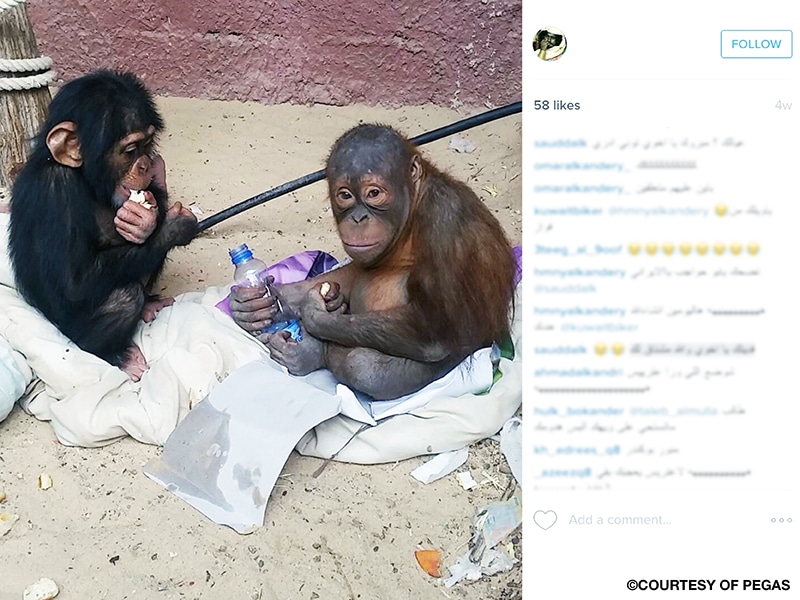
A screenshot of an Instagram post showing comments and an image of a baby chimpanzee and a baby orangutan sitting on bedsheets over a dirty floor near a cement wall, and holding pieces of food and a plastic water bottle

Facebooktwitterby feather
Download Full Chapter

This chapter focuses on key drivers of the live ape trade in four main sections.

The first section considers the demand for apes from zoos and wild animal parks in China, where economic growth has been accompanied by an increase in zoological collections. By cooperating with global zoological associations to enhance the welfare and well-being of their wild-caught apes, Chinese zoos could reduce their ape mortality rate and, consequently, demand for more apes.

The second section explores the demand for apes in the marketing and entertainment industries—including film, television, advertising and circuses—in the United States and Thailand. Specifically, it reviews factors that have led to a decrease in the use of captive apes in the U.S. entertainment industry.

The third section explores the demand for orangutans as pets in Indonesian Borneo, including how misconceptions about these animals and their needs motivate some people to “save” young orphans. This section also discusses the thriving pet markets of Eastern Europe, the Middle East and former Soviet states.

The fourth section analyzes the role of social media as an enabler of the illegal trade in live apes, identifying various ways online platforms initiate and influence demand, in particular by conferring value to ape ownership, providing access to the market and advertising to new audiences. It also considers how non-governmental organizations are working with social media companies to reduce online wildlife trafficking, such as by educating social media users about conservation, monitoring images taken with wildlife, and blocking posts appearing to sell protected species. The section concludes by suggesting alternative and additional ways to engage with companies and consumers, as well as broader approaches to reduce overall demand.

  • Download

To purchase State of the Apes

Purchase from Cambridge University Press

To purchase State of the Apes

Purchase from Amazon

To purchase State of the Apes

Purchase from Barnes and Noble

To purchase State of the Apes

Purchase from Amazon Purchase from Cambridge University Press Purchase from Barnes and Noble
Arcus Foundation
U.S. Office

Phone: +1-212-488-3000

U.K. Office

Phone: +44-1223-653040

Subscribe to Arcus Emails

More Information

contact@arcusfoundation.org

Arcus Foundation

Great Apes & Gibbons Program
  • Visit us on Facebook
  • Visit us on Instagram
  • Visit us on LinkedIn

Privacy | Terms