

State Of The Apes

  • Home
  • Volumes
    Toggle submenu
    • Volume I - Extractive Industries
    • Volume II - Industrial Agriculture
    • Volume III – Infrastructure Development
    • Volume IV - Killing, Capture and Trade
    • Volume V – Disease, Health and Ape Conservation
  • Resources
    Toggle submenu
    • Reports
    • Videos
  • Languages
    Toggle submenu
    • Français
    • Bahasa Indonesia
    • 中文
  • Partners
Toggle Menu

Flyout Menu

  • Home
  • Volumes
    Toggle submenu
    • Volume I - Extractive Industries
    • Volume II - Industrial Agriculture
    • Volume III – Infrastructure Development
    • Volume IV - Killing, Capture and Trade
    • Volume V – Disease, Health and Ape Conservation
  • Resources
    Toggle submenu
    • Reports
    • Videos
  • Languages
    Toggle submenu
    • Français
    • Bahasa Indonesia
    • 中文
  • Partners

Home » Volume 3

Introduction to Section 2

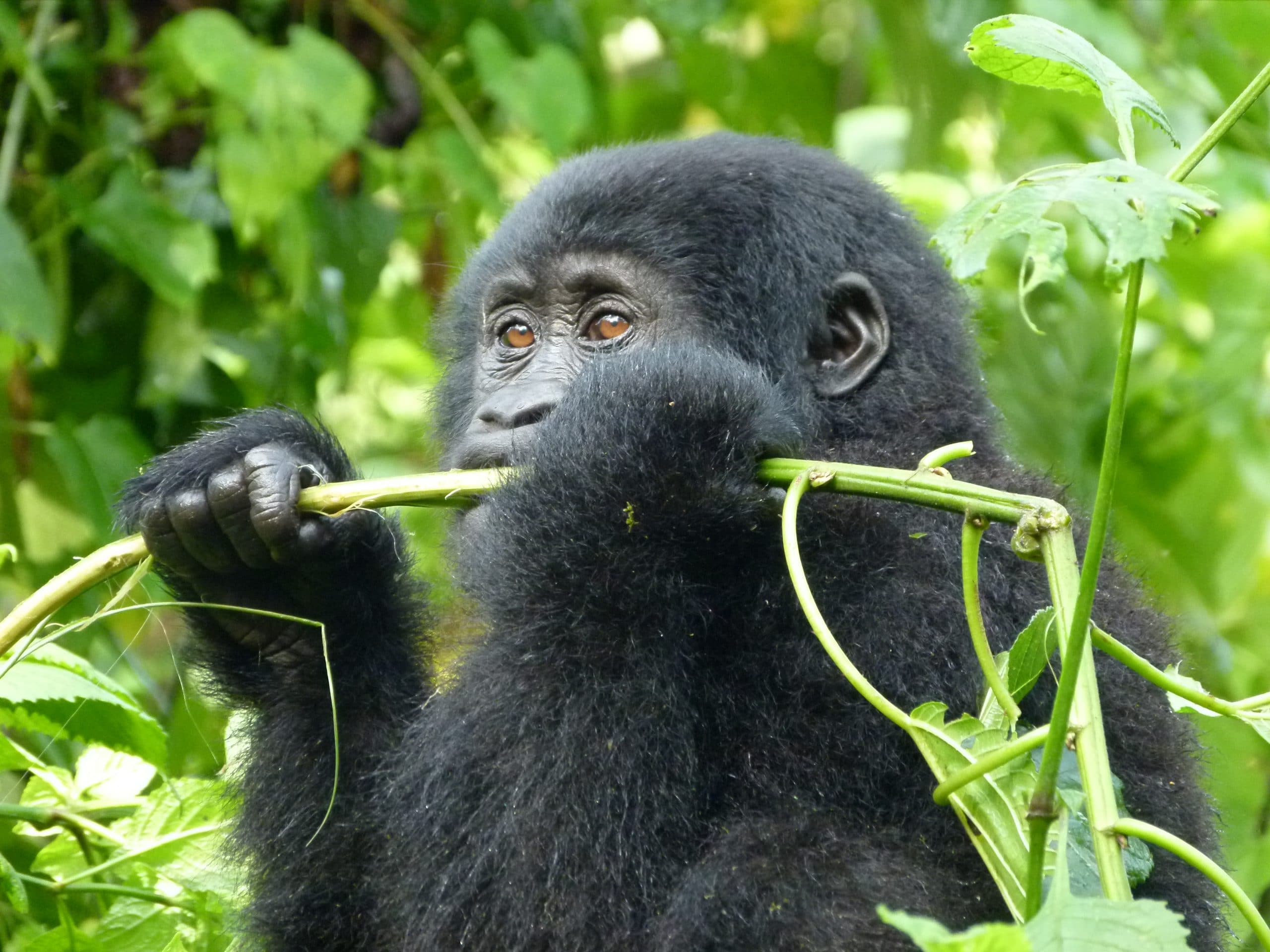
GG-feeding-March2014 by Martha Robbins
Facebooktwitterby feather

Download Full Introduction

Chapter 7 examines the status of forested ape habitats by quantifying the rates of tropical forest destruction using the Global Forest Watch platform. This is the first in-depth analysis of forest loss to use spatially explicit, high-resolution forest change data across the entire ape range. Based on thousands of satellite images, the assessment quantifies annual loss of ape range forest between 2000 and 2014 and projects future habitat loss rates for each ape subspecies. The results can serve as a measure of their long-term survival.

Chapter 8 presents the findings of a study of 56 sanctuaries in ape range states. Captive apes are held in a variety of contexts, including private homes, public displays for tourists, zoos and safari parks, as well as specialized non-commercial care facilities, which are often referred to as rescue centers, rehabilitation centers or sanctuaries. This chapter discusses the history and context of such sanctuaries, as well as opportunities and challenges linked to ongoing and emerging threats.

  • Download

To purchase State of the Apes

Purchase from Cambridge University Press

To purchase State of the Apes

Purchase from Amazon

To purchase State of the Apes

Purchase from Barnes and Noble

To purchase State of the Apes

Purchase from Amazon Purchase from Cambridge University Press Purchase from Barnes and Noble
Arcus Foundation
U.S. Office

Phone: +1-212-488-3000

U.K. Office

Phone: +44-1223-653040

Subscribe to Arcus Emails

More Information

contact@arcusfoundation.org

Arcus Foundation

Great Apes & Gibbons Program
  • Visit us on Facebook
  • Visit us on Instagram
  • Visit us on LinkedIn

Privacy | Terms