

State Of The Apes

  • Home
  • Volumes
    Toggle submenu
    • Volume I - Extractive Industries
    • Volume II - Industrial Agriculture
    • Volume III – Infrastructure Development
    • Volume IV - Killing, Capture and Trade
    • Volume V – Disease, Health and Ape Conservation
  • Resources
    Toggle submenu
    • Reports
    • Videos
  • Languages
    Toggle submenu
    • Français
    • Bahasa Indonesia
    • 中文
  • Partners
Toggle Menu

Flyout Menu

  • Home
  • Volumes
    Toggle submenu
    • Volume I - Extractive Industries
    • Volume II - Industrial Agriculture
    • Volume III – Infrastructure Development
    • Volume IV - Killing, Capture and Trade
    • Volume V – Disease, Health and Ape Conservation
  • Resources
    Toggle submenu
    • Reports
    • Videos
  • Languages
    Toggle submenu
    • Français
    • Bahasa Indonesia
    • 中文
  • Partners

Home » Volume 2

Ch 6: Impacts of Industrial Agriculture on Ape Ecology

volume_2-chapter_6
Facebooktwitterby feather
Download Full Chapter

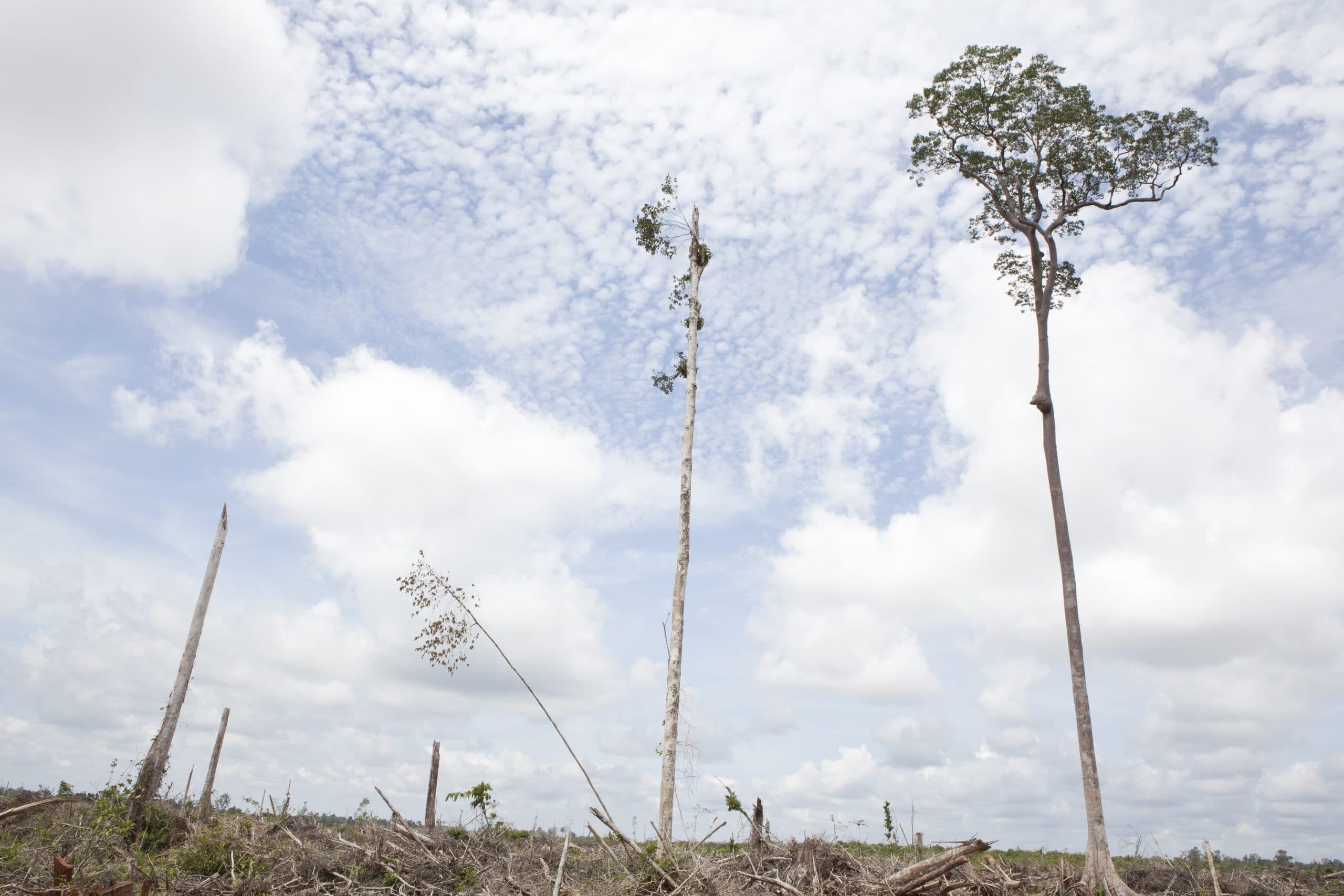
It is beyond doubt that forest clearance and degradation have a direct impact on apes through habitat destruction and fragmentation, depriving them of food and access to other groups, which is necessary for maintaining genetic diversity. In addition, roads that open access to previously remote forests invariably facilitate the hunting, killing, and capture of apes—as well as disease transmission, as humans increasingly come into contact with apes. Deforestation has reduced the ranges and the numbers of orangutans and gibbons in Southeast Asia, and its impact on African apes is expected to increase as industrial agriculture expands on the continent.

The impact of agricultural expansion varies significantly across species. Gibbons, who are territorial and arboreal, are probably most affected by industrial agriculture. Other apes, who occasionally forage, sleep, or move about in agro-industrial landscapes, seem likely to fare better, but natural forest and natural habitat remain vital to their long-term survival. Fragmentation of ape populations caused by industrial agriculture almost inevitably results in population decline and the local extinction of species.

Although our understanding of the impact of industrial agriculture on apes and their ecology, behavior, and conservation remains limited, it is clear that concerted efforts are required on several fronts to protect apes and their habitats more effectively. Specifically, there is a need for land-use planning that considers key habitats and essential ecological functions, implementation of best management practices, increased tolerance and understanding of apes among humans, and dedicated research on how agriculture is affecting apes and their habitats.

  • Download

To purchase State of the Apes

Purchase from Cambridge University Press

To purchase State of the Apes

Purchase from Amazon

To purchase State of the Apes

Purchase from Barnes and Noble

To purchase State of the Apes

Purchase from Amazon Purchase from Cambridge University Press Purchase from Barnes and Noble
Arcus Foundation
U.S. Office

Phone: +1-212-488-3000

U.K. Office

Phone: +44-1223-653040

Subscribe to Arcus Emails

More Information

contact@arcusfoundation.org

Arcus Foundation

Great Apes & Gibbons Program
  • Visit us on Facebook
  • Visit us on Instagram
  • Visit us on LinkedIn

Privacy | Terms